

New Delhi: In a major development for India’s healthcare landscape, The Lancet has published a comprehensive Commission report that lays out a detailed, rights-based strategy to build a truly citizen-focused health system. Released following its public launch in New Delhi on January 21, 2026, the document titled “A Citizen-Centred Health System for India” provides a clear pathway toward realizing Universal Health Coverage (UHC) by 2047, perfectly timed to support the nation’s overarching Viksit Bharat goal of emerging as a developed and equitable society.
The international panel behind the report includes leading voices from institutions such as Harvard Medical School, Johns Hopkins University, the Population Foundation of India, Ashoka University, the Indian Institute of Public Health, and the Indian Institute of Management Bangalore, among others. Formed in December 2020, the Commission has spent years gathering evidence, conducting large-scale surveys—including one covering 50,000 households across 29 states—and consulting diverse stakeholders to diagnose deep-seated problems and propose actionable solutions.
Deep-Rooted Barriers Holding Back Progress
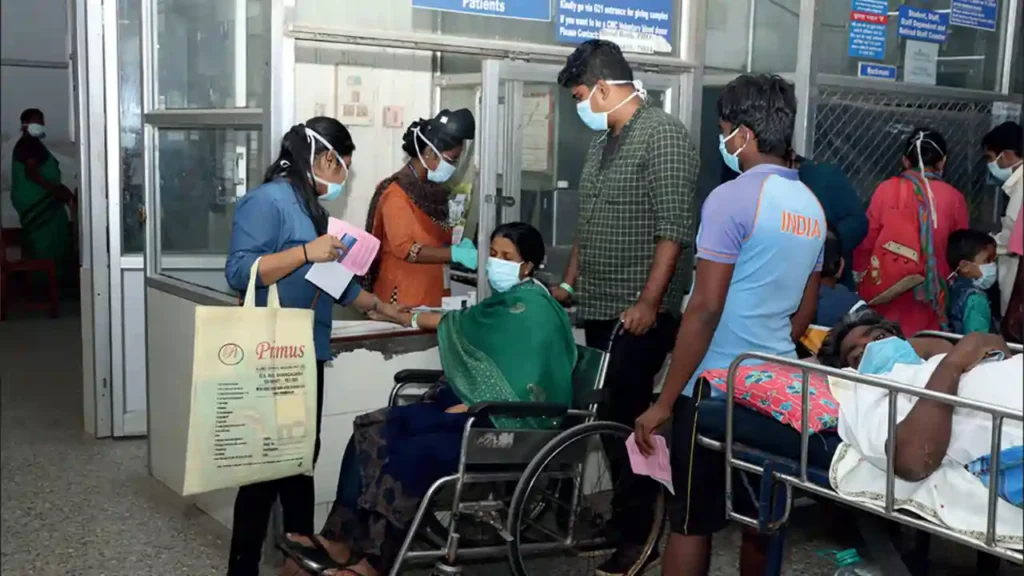
India’s journey toward equitable healthcare continues to face formidable obstacles. Service delivery remains heavily fragmented, organized around narrow, vertical programs targeting specific diseases rather than offering seamless, coordinated care from primary to tertiary levels. This lack of integration creates inefficiencies, repeated tests, poor follow-up, and disrupted patient journeys.
Financial protection has improved through schemes like Ayushman Bharat, yet out-of-pocket expenditure (OOPE) persists as a major trigger for household impoverishment. Expenses tied to outpatient visits, prescription drugs, diagnostic tests, and other non-inpatient services continue to place heavy burdens on families, even among insured populations.
Quality remains inconsistent due to a well-documented “know-do” gap—the difference between what providers know and what they actually practice. Many clinicians fail to follow evidence-based guidelines, leading to overuse of low-value interventions, under-treatment of critical conditions, and ultimately poorer health results.
Adding to these structural issues is India’s ongoing epidemiological transition. The country now confronts a growing wave of non-communicable diseases (NCDs) including diabetes, hypertension, heart disease, stroke, and various cancers, while still managing significant infectious disease challenges. This dual burden requires a flexible, prevention-oriented system that can respond effectively to both chronic and acute needs.
A Six-Pillar Vision for Reform
At its heart, the Commission advocates for an integrated, citizen-centred healthcare delivery system that relies primarily on public financing and public provision as the foundation for UHC. Rather than sidelining the private sector, the report proposes channeling its capabilities through smarter incentives and stronger oversight.
- Meaningful Citizen Engagement The report places people at the center, urging the health system to treat citizens as genuine partners. This involves empowering grassroots bodies like Village Health, Sanitation, and Nutrition Committees to participate actively in local planning, monitoring, and decision-making. Strong, accessible grievance redressal channels must be created, alongside open access to performance data, facility ratings, and outcome metrics so communities can hold providers accountable.
- Public Sector Transformation via Decentralized Models A key recommendation involves establishing Decentralized Integrated Delivery Systems (IDS). These would connect upgraded primary care hubs directly to secondary hospitals, each serving a clearly defined population. Such arrangements would improve referral flows, reduce unnecessary travel to distant facilities, ensure continuity, and allow tailored resource distribution based on local epidemiology and needs.
- Aligning Private Providers with Public Goals The current fee-for-service payment structure in much of the private sector encourages volume-driven care rather than value or prevention. The Commission calls for a gradual shift toward capitation models and global budgets, which reward keeping populations healthy, reducing unnecessary procedures, and focusing on long-term outcomes. Voluntary insurance products should expand to cover comprehensive packages—including outpatient services, essential medicines, and diagnostics—to ease financial strain across all care levels.
- Leveraging Digital Innovation Technology must play a transformative role. The report highlights the need to rapidly scale platforms such as the Ayushman Bharat Digital Mission for secure electronic health records, teleconsultations, predictive analytics, and real-time monitoring. Digital tools can bridge geographic divides, enhance supply chain management for medicines, and support data-driven policymaking.
- Transparent and Accountable Governance Real-time surveillance dashboards, public reporting of key indicators, and independent audits are essential for building trust. The Commission stresses the creation of continuous learning ecosystems that link researchers, policymakers, administrators, and frontline workers to refine strategies based on emerging evidence and lived experiences.
- Increased Investment and Political Leadership None of these changes can succeed without substantially higher government spending on public health infrastructure and workforce. Above all, sustained political will and cross-party commitment are required to drive accountability, resist vested interests, and maintain reform momentum.
Poonam Muttreja, Executive Director of the Population Foundation of India and a prominent Commissioner, emphasized the human dimension: “Recognising people as partners rather than merely patients is essential to bringing the public into public health. Health systems become more responsive, equitable, and compassionate when citizens participate in the planning, delivery, and accountability of services.”
Why This Matters for Viksit Bharat
Health is not a standalone sector but a cornerstone of India’s development aspirations. A robust, inclusive health system boosts productivity, reduces poverty traps caused by medical expenses, strengthens social cohesion, and positions India as a credible leader in global health discussions—especially as voices from the Global North retreat and institutions like WHO face constraints.
The Commission argues that with decisive action, UHC is achievable within the next two decades. By prioritizing public provision, empowering communities, reforming incentives, embracing technology, and enforcing transparency, India can overcome fragmentation, quality shortfalls, and financial hardship.
As stakeholders—from central and state governments to civil society, professional bodies, private players, and ordinary citizens—begin engaging with these ideas, the report stands as both a diagnostic tool and a practical manifesto. Its success will depend on translating bold recommendations into concrete policy, funding decisions, and on-the-ground implementation.
With strong leadership and collective resolve, India has the opportunity to build one of the world’s most equitable, responsive, and forward-looking health systems—delivering high-quality care without financial devastation and securing better health for every citizen by 2047.
FAQs
1. What is the main goal of the Lancet Commission Report on a Citizen-Centred Health System for India?
The report provides a comprehensive, evidence-based roadmap to help India achieve Universal Health Coverage (UHC) by 2047, in alignment with the national vision of Viksit Bharat (a developed and inclusive India by 2047). It calls for a fundamental shift toward a rights-based, citizen-centred health system that is primarily publicly financed and publicly provided, while strategically engaging the private sector. The Commission emphasizes moving away from a fragmented, facility-centric, and disease-specific model to one that is integrated, comprehensive, equitable, transparent, and truly responsive to people’s needs. It positions citizens not as passive patients but as active partners with rights who participate in planning, delivery, monitoring, and accountability of health services.
2. What are the biggest challenges identified in India’s current health system?
The report highlights several persistent systemic issues:
Dual epidemiological burden — India faces a rising tide of non-communicable diseases (NCDs) such as diabetes, cardiovascular conditions, cancers, and mental health issues, while still dealing with infectious diseases and maternal/child health challenges. These barriers require more than technical fixes — they demand strong political will, increased public investment, and systemic redesign.
Fragmented delivery — Services are organized in vertical, siloed programs with poor coordination between primary, secondary, and tertiary care levels, leading to inefficiencies, duplication, and gaps in continuity.
High out-of-pocket expenditure (OOPE) — Despite schemes like Ayushman Bharat, costs for outpatient care, medicines, diagnostics, and other non-hospital expenses continue to cause financial hardship and push families into poverty.
Quality variations and the “know-do” gap — Providers often do not follow evidence-based clinical protocols, resulting in low-value care, overuse or underuse of interventions, and suboptimal health outcomes.
3. How does the report propose to empower citizens in the health system?
A core theme is treating people as genuine partners rather than mere recipients of care. Key proposals include:
Promoting community engagement and accountability structures so people can influence decisions, monitor services, and hold providers responsible. Poonam Muttreja of the Population Foundation of India emphasized that recognizing citizens as partners makes health systems more responsive, equitable, and compassionate.
Strengthening community platforms such as Village Health, Sanitation, and Nutrition Committees to enable active involvement in local health planning, oversight, and priority-setting.
Establishing robust, accessible grievance redressal mechanisms to address complaints quickly and build trust.
Ensuring transparent access to data — Citizens should have easy access to real-time information on health facility performance, quality metrics, outcomes, and resource allocation.
4. What are the key reforms suggested for the public and private sectors?
For the public sector, the report recommends creating Decentralized Integrated Delivery Systems (IDS) — modernized primary care networks closely linked to secondary hospitals, each serving a defined population catchment. This model improves referrals, continuity of care, and local tailoring of services.
For the private sector, it advocates shifting away from fee-for-service models (which drive volume over value) toward capitation payments and global budgets that incentivize prevention, quality, and better population health outcomes. The report also calls for expanding voluntary insurance to cover comprehensive packages, including outpatient services, essential medicines, and diagnostics.
Overall, the Commission envisions the public sector as the primary vehicle for UHC, while shaping private providers to align with public goals through smarter regulation, incentives, and oversight.
5. How can technology and governance improvements support these changes?
The report stresses scaling digital innovations like the Ayushman Bharat Digital Mission to enable secure electronic health records, telemedicine, predictive analytics, supply chain management for medicines, and point-of-need diagnostics. It also pushes for transparent governance through real-time surveillance dashboards, public reporting of key indicators, independent audits, and continuous learning loops that connect researchers, policymakers, administrators, and frontline workers.
Greater government investment in public health infrastructure, workforce competencies (beyond just qualifications to include values and motivations), and political leadership are seen as essential to drive accountability, resist vested interests, and sustain momentum toward UHC.