

New Delhi: In a major step toward addressing India’s mounting solid waste crisis, the Union Ministry of Environment, Forest and Climate Change has officially notified the Solid Waste Management (SWM) Rules, 2026. These rules replace the decade-old Solid Waste Management Rules of 2016 and introduce stricter, more accountable measures for waste segregation, processing, and disposal across urban and rural areas. The updated framework, notified under the Environment (Protection) Act, 1986, will take full effect from April 1, 2026.
The notification marks a shift toward embedding circular economy principles and extended producer responsibility into everyday waste practices. By prioritizing waste reduction, reuse, recycling, recovery, and minimal disposal, the rules aim to transform solid waste from an environmental burden into a valuable resource. This approach aligns with global sustainability goals while tackling India’s specific challenges, such as overflowing landfills and inadequate segregation.
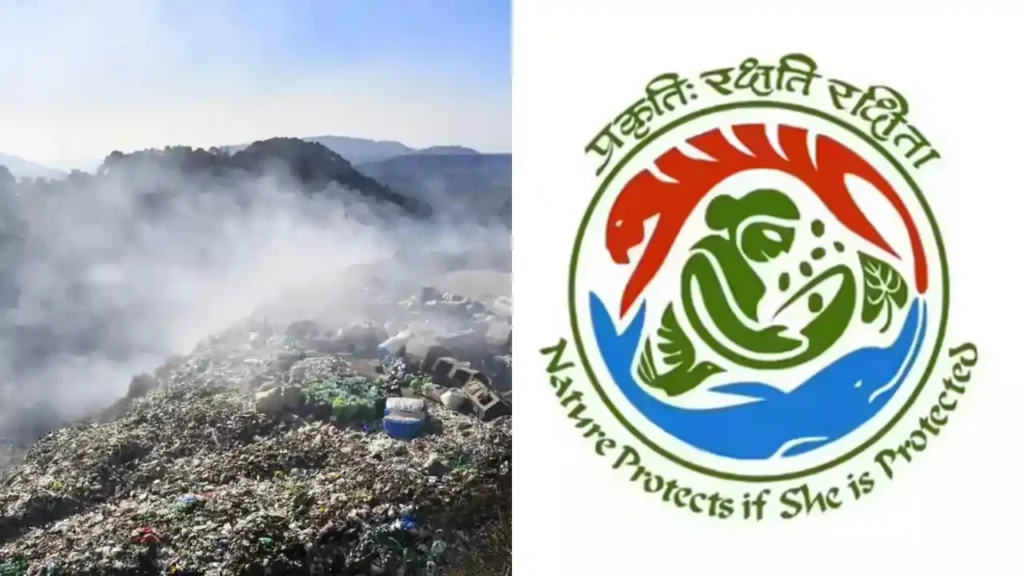
Key Highlights of the Solid Waste Management Rules 2026
One of the most significant changes is the mandatory four-stream segregation of solid waste at source. Waste must now be divided into four distinct categories:
- Wet waste – Includes kitchen scraps, food residues, and other biodegradable materials.
- Dry waste – Covers recyclables like plastics, paper, cardboard, and metals.
- Sanitary waste – Encompasses used diapers, sanitary pads, bandages, and similar items.
- Special care waste – Refers to items requiring careful handling, such as paint cans, tube lights, waste batteries, and other domestic hazardous materials.
This four-way segregation applies to households, institutions, commercial entities, and bulk generators alike. It is designed to minimize contamination, enhance recycling rates, ensure safer handling of hazardous items, and reduce the load on processing facilities.
Expanded Definition and Responsibilities for Bulk Waste Generators
A core focus of the 2026 rules is on bulk waste generators (BWGs), who contribute around 30% of total solid waste in most cities. The rules provide a clearer and broader definition of BWGs compared to the 2016 version, which lacked specific thresholds for floor area or water use.
Under the new criteria, an entity qualifies as a bulk waste generator if it meets any of the following:
- Possesses a floor area of 20,000 square metres or more.
- Consumes 40,000 litres of water per day or more.
- Generates 100 kg of solid waste per day or more.
This expanded scope includes a wide range of entities: central and state government departments, local bodies, public sector undertakings, residential societies, universities, hostels, commercial establishments, hotels, malls, hospitals, and large institutions.
To enforce greater accountability, the rules introduce Extended Bulk Waste Generator Responsibility (EBWGR). Bulk waste generators must now ensure environmentally sound collection, transportation, and processing of their waste. They are required to process wet waste on-site wherever feasible. If on-site processing is not possible, they must obtain an Extended Bulk Waste Generator Responsibility certificate from the relevant authority.
These measures aim to significantly lighten the burden on urban local bodies by promoting decentralized, source-level waste management.
Centralised Online Portal for Real-Time Monitoring
To improve transparency and efficiency, the rules establish a centralised online portal. This digital platform will track every stage of solid waste management—from generation and collection to transportation, processing, and disposal. All stakeholders, including bulk generators, urban local bodies, waste processors, transporters, and disposal facilities, must register on this portal. It will enable real-time data collection, better logistics planning, and stronger oversight to prevent lapses in compliance.
Promotion of Refuse Derived Fuel (RDF) and Restrictions on Landfilling
The rules strongly encourage the use of Refuse Derived Fuel (RDF) in industries. RDF is created by shredding and dehydrating municipal solid waste—mainly non-recyclable plastics, paper, and textiles—to produce a high-calorific-value fuel. Cement plants, waste-to-energy facilities, and other industrial units are now mandated to incorporate RDF, supporting energy recovery and reducing reliance on fossil fuels.
Landfilling faces strict limitations under the new regime. Only non-recyclable, non-energy recoverable waste and inert materials can be sent to landfills. This restriction reinforces the waste hierarchy—prevention and reduction first, followed by reuse, recycling, recovery, and disposal as the last resort.
Higher fees are prescribed for sending unsegregated waste to landfills, making segregation economically more attractive than mixed disposal. Local bodies face increased costs for poor practices, incentivizing better performance.
Special Provisions for Hilly Areas and Islands
Recognizing unique challenges in ecologically sensitive regions, the rules include tailored measures for hilly areas and islands. Local bodies in these zones can impose user fees on tourists to cover waste handling costs. They may also regulate tourist inflow based on available waste management capacity, preventing overload and environmental degradation. While some hilly area provisions existed in the 2016 rules, the 2026 version extends similar flexibility to islands.
Polluter Pays Principle and Environmental Compensation
For the first time, the rules explicitly apply the Polluter Pays principle through Environmental Compensation (EC). Penalties will be levied for violations such as operating without registration, submitting false reports, providing misleading information, or engaging in improper waste management. This graded enforcement targets non-compliance by local bodies, private operators, bulk generators, producers, and other entities.
Additionally, the rules introduce graded criteria for land development around solid waste processing and disposal facilities. A buffer zone must be maintained for facilities exceeding 5 tonnes per day capacity. The Central Pollution Control Board will issue guidelines on buffer zone size and permissible activities, based on facility capacity and pollution load. These steps are expected to speed up land allocation and reduce delays in establishing scientifically managed waste infrastructure.
Responsibilities for Event Organizers
The rules extend obligations to organizers of large gatherings, such as festivals, weddings, community events, or public functions attracting more than 100 people. Organizers must notify the local authority at least three days in advance, ensure segregation of waste generated during the event, and hand over segregated waste to designated collectors or agencies.
Current Waste Scenario and Expected Impact
According to Central Pollution Control Board data for 2023-24, India generates approximately 1.85 lakh tonnes of solid waste per day. Of this, 1.79 lakh tonnes are collected, 1.14 lakh tonnes are processed or treated, and 39,629 tonnes end up in landfills. The new rules target inefficiencies in segregation, data gaps, and lack of source-level reduction.
Experts like Priyanka Singh, Programme Lead at the Council on Energy, Environment and Water, have welcomed the changes. She noted that proper implementation could dramatically improve waste management. The mandatory four-stream segregation will cut contamination, boost processing efficiency, and shrink landfill dependency. The centralized portal will provide robust data for planning, while EBWGR will address 30-40% of urban waste at the source.
Path Forward
The Solid Waste Management Rules 2026 represent a forward-looking update to India’s waste governance. By combining mandatory segregation, digital tracking, producer and generator accountability, economic incentives, and ecological safeguards, the framework seeks to foster cleaner cities, healthier environments, and resource-efficient growth.
As the April 1, 2026 deadline approaches, successful rollout will depend on awareness campaigns, infrastructure support, capacity building for local bodies, and active citizen participation. With strong enforcement, these rules could set a benchmark for sustainable urban living in one of the world’s fastest-growing economies.
FAQs
1. What are the Solid Waste Management Rules, 2026, and when do they come into effect?
The SWM Rules, 2026, are a comprehensive update to India’s waste governance framework, notified under the Environment (Protection) Act, 1986. They supersede the Solid Waste Management Rules, 2016, and aim to promote a circular economy, extended producer responsibility, source-level processing, better segregation, reduced landfilling, and stronger enforcement through penalties. The rules integrate digital tracking and the polluter pays principle to make waste management more efficient and sustainable. They will come into full effect from April 1, 2026.
2. What is the mandatory four-stream segregation, and why is it important?
The new rules make four-stream segregation at source compulsory for all waste generators, including households, institutions, commercial entities, and bulk generators. The four streams are:
- Wet waste (biodegradable items like kitchen scraps, food leftovers, fruit and vegetable peels – to be composted or bio-methanated).
- Dry waste (recyclables such as plastic, paper, metal, glass, cardboard – sent to material recovery facilities for recycling).
- Sanitary waste (used diapers, sanitary napkins, bandages – must be securely wrapped and stored separately).
- Special care waste (domestic hazardous items like paint cans, tube lights, waste batteries, bulbs, expired medicines – handed over only to authorized agencies or designated collection centers).
This stricter segregation (expanded from the earlier three streams) reduces contamination, improves recycling efficiency, ensures safer handling of hazardous and sanitary items, lowers the burden on landfills, and supports resource recovery.
3. Who qualifies as a bulk waste generator under the 2026 rules, and what responsibilities do they have?
Bulk waste generators (BWGs) are entities that meet any of these criteria:
- Floor area of 20,000 square metres or more.
- Water consumption of 40,000 litres per day or more.
- Solid waste generation of 100 kg per day or more.
This includes residential societies, universities, hostels, commercial establishments (hotels, malls), government departments (central/state), local bodies, public sector undertakings, hospitals, and large institutions.
The rules introduce Extended Bulk Waste Generator Responsibility (EBWGR), making BWGs accountable for environmentally sound collection, transportation, and processing of their waste. They must process wet waste on-site where possible or obtain an EBWGR certificate if not feasible. BWGs also need to register via the centralized online portal and comply with monitoring requirements. Since BWGs account for about 30-40% of urban waste, this targets a major portion at the source to ease pressure on local bodies.
4. What enforcement mechanisms and penalties are included in the new rules?
The rules apply the Polluter Pays principle through Environmental Compensation (EC) for non-compliance. Penalties can be imposed for violations such as:
- Operating without registration.
- Providing false, misleading, or forged information/documents.
- Improper solid waste management practices.
- Sending unsegregated waste to landfills (with higher fees prescribed compared to segregated waste processing).
State Pollution Control Boards/Committees will levy these compensations. The framework also restricts landfills to only non-recyclable, non-energy recoverable waste and inert material. A centralized online portal tracks the entire waste chain (generation, collection, transportation, processing, disposal) for real-time monitoring and accountability.
5. How do the 2026 rules support circular economy, special areas, and waste-to-energy?
The rules embed circular economy principles by prioritizing the waste hierarchy (prevention/reduction > reuse > recycling > recovery > disposal) and promoting waste as a resource. Key supports include:
- Mandating use of Refuse Derived Fuel (RDF) – made from non-recyclable plastics, paper, textiles – in industries like cement plants and waste-to-energy facilities.
- Extended producer responsibility for lifecycle management of products (especially packaging).
- Special provisions for hilly areas and islands: local bodies can levy user fees on tourists and regulate visitor numbers based on waste handling capacity.
- Graded criteria and buffer zones around processing/disposal facilities (guidelines by Central Pollution Control Board) to speed up land allocation.
These changes aim to minimize landfill use, boost recycling and energy recovery, and ensure sustainable practices nationwide. Proper implementation could significantly cut India’s daily landfilled waste (around 39,629 tonnes as per 2023-24 data) and improve overall urban cleanliness.