

New Delhi: In a powerful display of unity, delivery executives from major quick commerce and food platforms staged a massive countrywide protest on December 31, 2025, marking one of the largest collective actions by platform-based laborers in recent years. The protest specifically targeted aggressive timelines like ultra-fast deliveries, highlighting risks to worker safety while calling for stronger protections in the rapidly expanding flexible employment sector.
The action centered on executives associated with leading apps such as Swiggy, Zomato, Blinkit, and Zepto, who collectively refrained from accepting orders throughout the day. Organized by multiple labor associations, the demonstration aimed to draw attention to persistent issues including unpredictable earnings, workplace dangers, and inadequate safeguards. Estimates from organizing groups suggest participation ranged from 100,000 to 300,000 individuals, with many choosing to remain offline during peak festive demand periods.
This New Year’s Eve shutdown followed a smaller coordinated effort on Christmas Eve, building momentum for broader recognition of flexible workers’ contributions to urban convenience. As cities prepared for celebrations, the protest underscored the critical role these individuals play in everyday logistics, from meal orders to rapid grocery fulfillment.
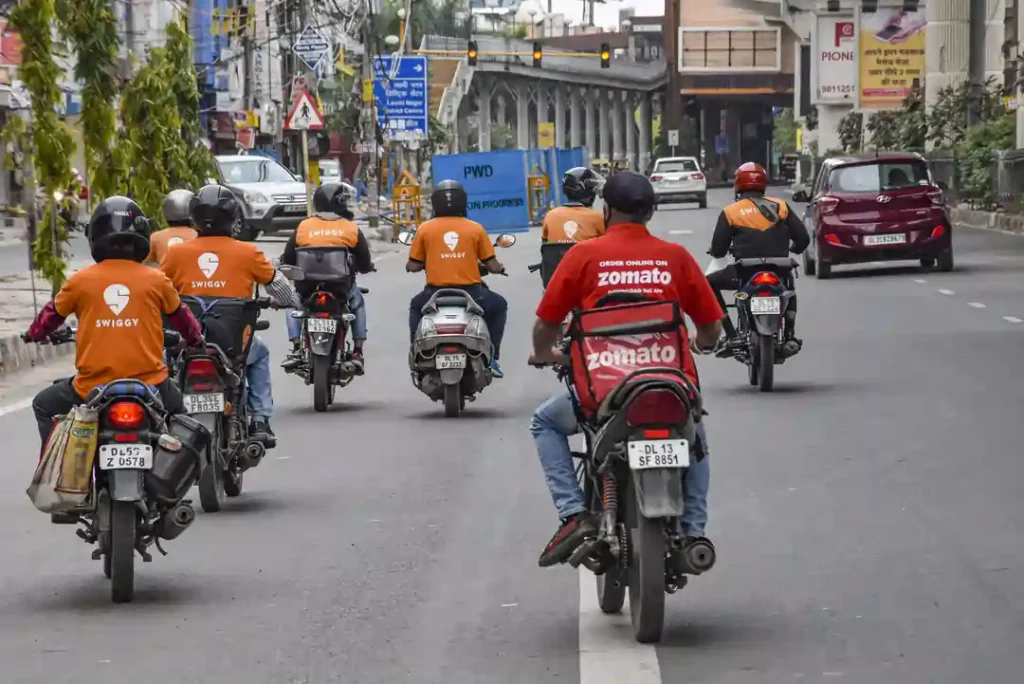
Understanding India’s Flexible Employment Landscape
Flexible work arrangements involve individuals engaging in income-generating tasks without conventional full-time contracts. According to legislative definitions, this includes roles where compensation derives from task completion rather than fixed salaries.
The sector divides primarily into app-mediated roles—such as ride-hailing or parcel handling through digital interfaces—and traditional casual positions like household assistance. Current figures indicate approximately 10 million individuals engaged in these arrangements nationwide, with projections pointing toward substantial expansion driven by digital adoption and consumer preferences for on-demand services.
Key factors fueling this rise include rising urban spending patterns and the appeal of adaptable schedules offering potentially higher short-term rewards. However, this growth has spotlighted structural vulnerabilities that formed the core of the recent demonstration.
Key Issues Facing Platform Laborers
Participants in the shutdown highlighted several systemic concerns affecting daily operations:
- Earnings Instability: Reductions in per-task compensation combined with minimal guaranteed amounts have eroded financial predictability, making it difficult to plan amid fluctuating order volumes.
- Safety Risks: Tight deadlines for fulfillment, particularly models promising arrival in minutes, elevate chances of road incidents and physical strain, especially during high-traffic periods.
- Lack of Protections: Many lack reliable access to medical coverage, injury compensation, or retirement provisions, leaving them exposed during emergencies.
- Eligibility Limitations: Current frameworks for benefits require sustained engagement thresholds, which critics argue exclude intermittent or multi-app users.
- Digital Oversight: Order distribution relies on non-transparent systems, leading to sudden account restrictions and restricted opportunities for group advocacy.
These factors contributed to the decision to withhold services on a day typically seeing surged activity, amplifying the message to both companies and policymakers.
Details of the New Year’s Eve Action
The coordinated effort involved workers disconnecting from applications starting early morning and continuing through late night. Union representatives reported strong adherence, particularly in major hubs like the national capital region, southern tech centers, and Telangana’s capital.
One prominent organizer emphasized the achievement against significant opposition from promotional campaigns and media narratives. Voluntary involvement was stressed, with no coercion toward those opting to continue operations.
In certain locations, small gatherings occurred to voice concerns directly to authorities, though most activity remained virtual to avoid disruptions from security measures around celebrations. Migrant participants expressed particular caution regarding potential enforcement actions.
Specific Calls for Change
The demonstration outlined a comprehensive set of improvements:
- Enforcement of existing labor standards tailored to digital intermediaries.
- Elimination of ultra-rapid fulfillment mandates.
- Provisions for paid time off during crises or family needs.
- Establishment of a baseline earnings floor at Rs 40,000 monthly.
- Guaranteed access to comprehensive safeguards.
- Shift from automated to personal support for issue resolution.
- Official classification as formal laborers entitled to organizing rights.
- Elimination of deductions for timing variances.
These points reflect ongoing dialogues with regulators and aim to align practices with broader employment norms.
Corporate Responses and Incentives
Ahead of the date, operators introduced enhanced rewards to encourage availability during expected high volumes. Examples included bonuses up to Rs 6,000 for extended shifts and prizes like vehicles for consistent performance.
Such initiatives, described as routine for busy periods, sought to maintain service levels without formal acknowledgment of the protest. Post-event reports from some entities claimed uninterrupted operations and peak volumes, attributing continuity to supportive measures.
Government Initiatives and Ongoing Reforms
National efforts include frameworks recognizing flexible roles and enabling benefit registration through portals linked to health schemes. Accidental coverage extends to registered informal participants via programs offering substantial payouts.
State-level progress features dedicated legislation in regions like Rajasthan, establishing boards for oversight, funding mechanisms through transaction contributions, and grievance processes. These models provide templates for wider application, focusing on identification, fund management, and scheme notification.
Broader Implications for India’s Digital Workforce
The event illustrates the evolving dynamics in a sector vital to modern convenience yet grappling with equity questions. With anticipated growth to over 23 million participants by the end of the decade, balancing innovation with worker well-being remains essential.
As urban lifestyles increasingly rely on instant access, addressing these concerns could shape sustainable models benefiting all stakeholders. The demonstration serves as a reminder of the human effort behind seamless experiences, prompting reflection on fair compensation and security in emerging work forms.
This coordinated stand on a festive evening not only spotlighted immediate grievances but also contributed to national conversations on inclusive progress in the platform-mediated economy.
FAQs
1. What was the gig workers’ strike on New Year’s Eve about, and why did it happen?
The strike was a nationwide protest by delivery workers of platforms like Swiggy, Zomato, Blinkit, and Zepto on December 31, 2025. Over two lakh workers logged off their apps from 7 am to midnight to demand better working conditions. The main trigger was opposition to the 10-minute delivery model, which workers say increases accident risks and stress. They also highlighted broader issues such as income instability, lack of social security, and algorithmic management practices.
2. How many gig workers participated in the New Year’s Eve strike?
Workers’ unions estimated participation between one and three lakh workers across India. The Telangana Gig and Platform Workers Union (TGPWU) claimed more than two lakh workers joined, while the Gig and Platform Service Workers Union (GIPSWU) estimated over one lakh. The protest saw strong turnout in major cities like Delhi, Hyderabad, and Bengaluru.
3. What were the key demands of the striking gig workers?
The workers presented a comprehensive list of demands, including:
Removal of penalties for delivery delays
A complete ban on 10-minute delivery systems
Recognition of gig workers as “workers” rather than “partners”
A minimum monthly wage of ₹40,000
Access to social security benefits, health insurance, accident cover, and pensions
Provisions for emergency and maternity leave
Replacement of AI-based customer support with human grievance redressal
Protection of the right to organise and form unions
4. How did delivery platforms respond to the strike?
Ahead of New Year’s Eve, companies rolled out special incentives to keep workers online during the high-demand period. Zomato offered chances to win ₹6,000 for delivery executives working peak hours, while Swiggy promoted rewards such as electric vehicles for top performers. The platforms did not officially acknowledge the strike but focused on maintaining service continuity through these promotional schemes.
5. What is the current state of social security and legal protections for gig workers in India?
The Code on Social Security, 2020 formally recognises gig workers and provides a safety net. Workers engaged for at least 90 days a year (or 120 days across multiple platforms) can register on the e-Shram portal to access benefits like Ayushman Bharat health coverage and Pradhan Mantri Suraksha Bima Yojana (₹2 lakh accidental insurance). However, unions criticise the 90-day eligibility rule as too restrictive. Some states, such as Rajasthan, have introduced dedicated laws like the Rajasthan Platform-Based Gig Workers Act, 2023 to offer additional protections, grievance mechanisms, and welfare funds.