

New Delhi: The Union Cabinet has given its nod to a transformative piece of legislation that will redefine India’s approach to atomic power generation. Known as the Sustainable Harnessing and Advancement of Nuclear Energy for Transforming India (SHANTI) Bill 2025, this new law allows controlled entry of private companies into a field that has remained under complete government control for more than sixty years.
This decision marks the biggest structural change in the country’s civil nuclear program since its early days. It shifts away from the sole authority of the Department of Atomic Energy and creates opportunities for private firms to contribute across various stages of the nuclear fuel cycle and power production.
The bill is likely to be presented in Parliament during the current Winter Session, possibly early next week. Once passed, it will bring together several older laws into one updated and unified framework, making rules clearer and more attractive for potential investors.
Ambitious Targets Fuel the Need for Change
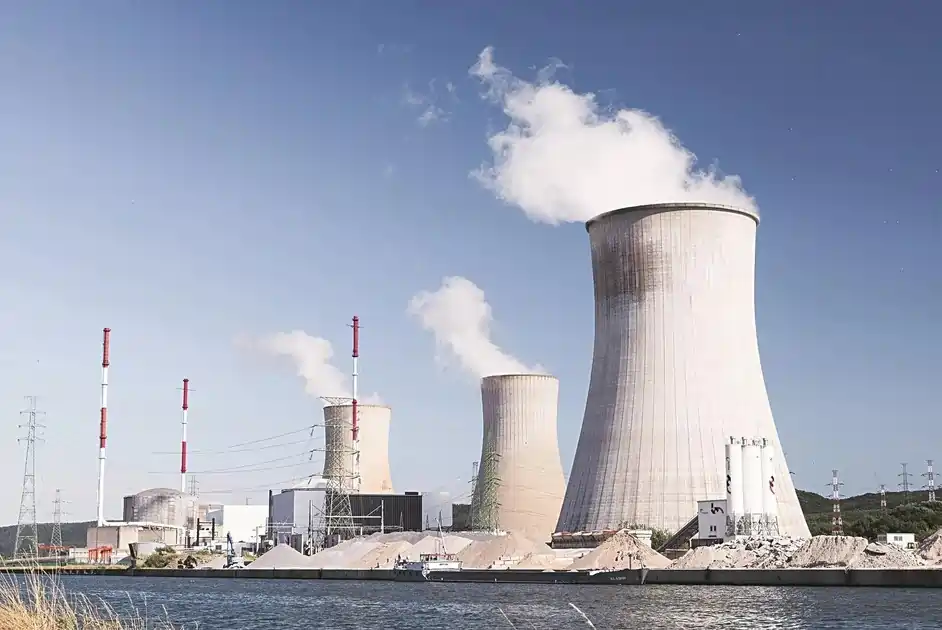
India currently runs 25 nuclear reactors that together produce close to 8,880 megawatts of electricity. Several more units are at different stages of building. The government has laid out a clear roadmap: expand capacity to 22,000 megawatts by 2032 and then reach a full 100 gigawatts by 2047.
Meeting these goals is central to the country’s plan for reliable clean energy, especially as older coal and gas plants are gradually retired to meet climate commitments. Nuclear power provides steady baseload supply that renewables alone cannot guarantee, particularly during peak evening demand when solar output drops.
Achieving such rapid growth requires huge amounts of money, faster construction schedules, and access to the latest global technologies. Government resources alone cannot cover everything, which is why private capital and expertise are now being welcomed.
What the SHANTI Bill Changes
The legislation permits private enterprises to take part in activities such as searching for atomic minerals, preparing nuclear fuel, producing specialized equipment, and handling certain operational responsibilities at power plants.
It replaces old sections of the 1962 Atomic Energy Act with modern provisions for licensing, safety monitoring, and regulatory compliance. Plans include setting up a new independent body dedicated solely to nuclear safety oversight, ensuring decisions remain transparent and meet worldwide benchmarks.
A major hurdle for years has been the strict supplier liability rules under the 2010 Civil Liability for Nuclear Damage Act. The new bill introduces adjustments: clearer division of responsibility between plant operators and equipment providers, limits backed by insurance coverage, and backup support from the government. These steps aim to remove long-standing worries that have kept many domestic and international companies away.
Focus on Small Modular Reactors
A key part of the expansion strategy revolves around Small Modular Reactors (SMRs). These smaller, factory-built units promise quicker setup, lower initial costs, and greater flexibility compared to traditional large reactors.
The recent Budget allocated Rs 20,000 crore specifically for a Nuclear Energy Mission focused on developing Indian-designed SMRs. The target is to have at least five such homegrown units running by 2033.
Scientists at the Bhabha Atomic Research Centre are working on multiple home-designed models:
- One version around 200 megawatts using light water technology
- Another 220-megawatt design based on the country’s established heavy water approach
- A much smaller 55-megawatt unit suited for specific industrial needs
Detailed planning for these prototypes is well advanced, and initial demonstration plants are expected to be built within five to six years once final approvals are granted. The emphasis remains on domestic capabilities, without immediate plans for outside technical partnerships.
State-owned Nuclear Power Corporation of India Limited (NPCIL) will continue to handle at least half of the overall 100-gigawatt target and plans to bring one new reactor online every year. The remaining capacity will come from private initiatives and possibly imported designs.
Several large Indian business groups have already expressed formal interest in setting up captive nuclear projects based on the upcoming Indian SMR designs. Suitable locations have been identified across multiple states to host these future facilities.
Benefits of Bringing in Private Participation
Allowing private players is expected to bring in substantial fresh funding from both Indian sources and overseas investors. It should speed up the introduction of newer reactor designs with improved safety features developed after global lessons from past incidents.
The move strengthens overall energy security by building domestic manufacturing strength and reducing long-term reliance on imported fossil fuels. It also creates thousands of skilled jobs and opens large new markets in engineering, construction, and high-tech components.
Remaining Challenges
Even with these reforms, certain difficulties continue. Nuclear projects typically take seven to ten years to complete and involve very high upfront expenses, which can discourage investors unless some risks are shared through government support or guaranteed returns.
Handling sensitive nuclear materials demands the strongest possible security measures. Private involvement will come with strict tracking requirements and safeguards to protect national interests.
Building public trust, ensuring steady fuel supply, managing waste responsibly, and training enough qualified regulators are all ongoing priorities that must be addressed carefully.
Looking Ahead
The SHANTI Bill represents a carefully balanced approach: combining the drive and efficiency of private enterprise with firm public control over safety and strategic aspects. If cleared by Parliament, it could breathe new life into international civil nuclear cooperation agreements and help India emerge as a significant player in next-generation reactor technology.
This reform arrives at a crucial moment when the country needs stable, low-carbon power to support rapid economic expansion while honoring global climate pledges. By embracing private partnership in this vital sector, India is taking a decisive step toward a more secure, sustainable, and self-reliant energy future.
Frequently Asked Questions
1. What is the SHANTI Bill 2025 and why was it ntroduced?
The SHANTI Bill, fully known as the Sustainable Harnessing and Advancement of Nuclear Energy for Transforming India Bill 2025, is a new law approved by the Union Cabinet on December 12, 2025. It ends the decades-long monopoly of the Department of Atomic Energy by allowing regulated private sector participation in nuclear power generation and related activities. The main purpose is to attract massive investments, speed up technology adoption, and help India achieve its target of 100 GW nuclear capacity by 2047 to support clean energy transition and net-zero goals by 2070.
2. How will private companies be allowed to participate under the SHANTI Bill?
Private firms can now enter various parts of the nuclear value chain, including exploration of atomic minerals, fuel fabrication, equipment manufacturing, and select aspects of plant operations. They may hold minority equity stakes in projects, while the government maintains overall control and safety oversight. This includes opportunities to collaborate on developing and deploying Small Modular Reactors for both grid supply and captive industrial use.
3. What role do Small Modular Reactors (SMRs) play in this reform?
Small Modular Reactors are compact, factory-built nuclear units with enhanced safety and shorter construction times compared to large traditional reactors. The government has launched a dedicated Nuclear Energy Mission with Rs 20,000 crore funding to develop indigenous SMRs, aiming to operationalize at least five such units by 2033. India is designing multiple homegrown models, including 200 MW and 220 MW variants, to provide flexible, low-carbon baseload power.
4. How does the bill handle nuclear safety and liability issues?
The legislation plans to create an independent nuclear safety regulator to ensure transparent monitoring and compliance with international standards. It also reforms the existing Civil Liability for Nuclear Damage Act by introducing clearer operator-supplier responsibility divisions, insurance-supported liability limits, and government-backed risk mitigation measures. These changes aim to protect public safety while removing barriers that previously deterred private and foreign investors.
5. What is India’s current nuclear power status and long-term targets?
India currently has 25 operational reactors producing around 8,880 MW of electricity, with several more under construction. The roadmap sets an intermediate goal of 22,000 MW by 2032, leading to 100 GW by 2047. The state-owned Nuclear Power Corporation of India Limited will contribute at least half of this expansion, with the remainder coming from private sector projects and potential international collaborations.