

New Delhi: India has emerged as the global leader in ultra-processed food (UPF) sales growth, with retail volumes rising from US$ 0.9 billion in 2006 to nearly US$ 38 billion in 2019 — a forty-fold increase in just 13 years — according to a major three-paper Series published in The Lancet on Wednesday.
The explosive expansion of packaged snacks, instant noodles, biscuits, sugar-sweetened beverages and breakfast cereals has coincided with a near-doubling of adult obesity rates in the country and is fuelling a rapid surge in type 2 diabetes, cardiovascular disease and other diet-related non-communicable diseases (NCDs), the 43 international authors warned.
“India is undergoing the fastest dietary transition towards ultra-processed foods among all large countries, and the health consequences are already evident,” the Series stated. During the same 2006–2019 period, obesity prevalence almost doubled in both men (from 12 per cent to 23 per cent) and women (from nearly 15 per cent to 24 per cent).
Ultra-processed foods are defined under the widely used NOVA classification as industrial formulations made mostly from substances extracted from foods (oils, fats, sugar, starch and proteins) combined with cosmetic additives such as flavourings, colourants, emulsifiers and stabilisers. Typical examples dominating Indian shelves include namkeens, packaged bhujia, instant noodles, carbonated drinks, cream biscuits, extruded corn snacks and sweetened ready-to-eat cereals.
These products are engineered to be hyper-palatable, inexpensive to produce and heavily marketed, encouraging over-consumption and displacing traditional diets based on whole grains, pulses, vegetables and fresh foods.
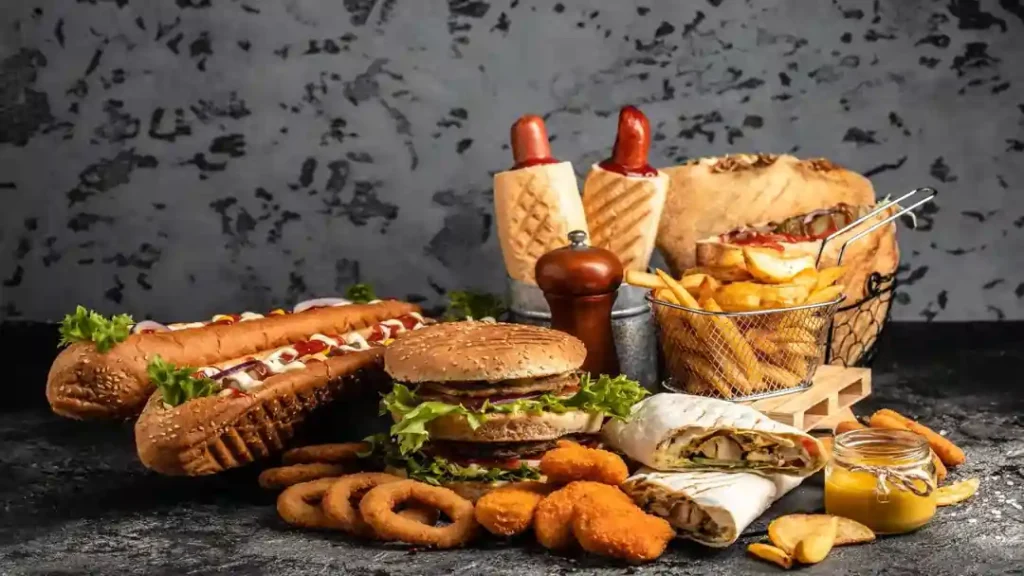
Key Drivers of the UPF Boom in India
The Lancet authors identified multiple interlocking factors:
- Aggressive marketing, including television, digital and influencer campaigns that disproportionately target children and adolescents
- High profitability for manufacturers due to low raw-material costs and long shelf life
- Weak regulatory controls on advertising, front-of-pack labelling and sales in and around schools
- Rapid urbanisation, rising female workforce participation and time scarcity that increase demand for convenient ready-to-eat options
- Near-ubiquitous availability through kirana stores, supermarkets, e-commerce and quick-commerce platforms
Health Impact Already Visible
The Series highlighted strong evidence linking higher UPF consumption with weight gain, hypertension, type 2 diabetes, fatty liver disease, cardiovascular events, depression and all-cause mortality. Children and young adults, who are the prime targets of marketing, are particularly vulnerable to early-onset metabolic disorders.
Expert Voices
Dr Arun Gupta, paediatrician and convener of the Nutrition Advocacy in Public Interest (NAPi) and one of the co-authors, said: “Our regulations are ineffective in restricting marketing. India must act immediately to cut consumption of UPFs and aim for a halt in the rise of obesity and diabetes in the coming years. Given that India has the fastest growth in UPF sales and clear evidence of poor health outcomes, UPFs need to be framed as a priority public health issue.”
Prof K. Srinath Reddy, President of the Public Health Foundation of India (PHFI) and another co-author, stressed the addictive nature of these products: “UPFs advertised as an addiction can lead to many marketed maladies. A ban on their advertising and sponsorship is needed, especially because of the pervasive danger of celebrity endorsements.”
Policy Recommendations
The authors called for bold, coordinated measures that go beyond individual responsibility and consumer education:
- Significantly higher taxation on ultra-processed foods and beverages, with revenue used to subsidise fresh, minimally processed foods
- Mandatory front-of-pack warning labels clearly indicating excessive levels of salt, sugar, saturated fat or artificial sweeteners
- Comprehensive restrictions on all forms of marketing of UPFs to children, including celebrity endorsements, cartoons and digital advertising
- Prohibition of UPF sales in and around schools, hospitals, government offices and other public institutions
- Replacement of industry self-regulation with strong, independent regulatory oversight
India’s Current Measures
India has taken some steps, though experts describe them as insufficient in scale and enforcement:
- Eat Right India movement by the Food Safety and Standards Authority of India (FSSAI)
- Reduction of industrially produced trans fats in oils and fats to ≤2 per cent (achieved ahead of the WHO 2023 target)
- 40 per cent GST on aerated beverages containing added sugar or flavouring
- Revised Dietary Guidelines for Indians (2024) issued by the ICMR-National Institute of Nutrition cautioning against foods high in fat, salt and sugar
Despite these initiatives, retail shelves and online platforms continue to be dominated by ultra-processed products, and marketing remains largely unrestricted.
Global Lessons and Urgency for Action
Countries in Latin America that introduced black octagonal front-of-pack warning labels and marketing restrictions — notably Chile, Mexico, Peru and Uruguay — recorded double-digit declines in purchases of targeted products within two years of implementation.
The Lancet Series concluded that without urgent structural interventions, India risks overtaking China and the United States in the absolute burden of obesity- and diabetes-related morbidity and mortality within the next decade.
As the world’s most populous nation and a rapidly growing economy, the authors said India has both the imperative and the opportunity to become a global leader in protecting public health from the harms of ultra-processed foods.
FAQs
1.What exactly are ultra-processed foods (UPFs) and why are they different from regular junk food?
Ultra-processed foods are industrial formulations made mostly from substances extracted from foods (refined starch, sugar, hydrogenated oils, protein isolates) plus cosmetic additives (emulsifiers, artificial flavours, colours, thickeners). Unlike traditional home-made or restaurant “junk” items, UPFs are engineered to be hyper-palatable and addictive. Common Indian examples: packaged namkeens, instant noodles, cream biscuits, chips, sugar-sweetened beverages, and sweetened breakfast cereals.
2. How fast is ultra-processed food consumption really growing in India?
According to The Lancet Series, retail sales of UPFs in India jumped from US$ 0.9 billion in 2006 to nearly US$ 38 billion in 2019 – a forty-fold increase in just 13 years. This is the fastest growth rate among all large countries in the world.
3. What has happened to obesity and diabetes rates during this period?
Between 2006 and 2019 (the same period of the forty-fold UPF sales surge):
- Adult obesity nearly doubled in men (12% → 23%)
Adult obesity nearly doubled in women (≈15% → 24%) Type 2 diabetes, hypertension, fatty liver disease, and cardiovascular diseases have also risen sharply, especially among younger age groups.
4. What is the Indian government already doing to control UPFs?
Eat Right India Campaign by FSSAI
Trans-fat limit reduced to ≤2% in oils/fats (achieved ahead of WHO target)
40% GST on all sugar-sweetened or flavoured aerated beverages
Revised 2024 Dietary Guidelines for Indians by ICMR-NIN warning against foods high in fat, salt, and sugar However, experts say these measures are insufficient because marketing to children, front-of-pack labelling, and school sales remain largely unregulated.
5. What immediate steps do the Lancet authors recommend for India?
Higher taxes on UPFs and sugary drinks, with revenue used to subsidise healthy foods
Mandatory black octagonal front-of-pack warning labels (like Chile and Mexico)
Complete ban on marketing of UPFs to children (TV, YouTube, influencers, celebrity endorsements)
Removal of UPFs from schools, hospitals, and government premises
Replace industry self-regulation with strong, independent laws