

New Delhi: In a landmark event that sent shockwaves through trading floors, the Indian Rupee on Wednesday decisively breached the psychologically critical 90-per-dollar barrier for the very first time in history, touching an intraday lifetime low of 90.30 before closing at a record closing low of 90.19 against the US dollar.
The sharp single-day drop of over 22 paise from Tuesday’s close of 89.97 marked the culmination of weeks of relentless pressure and finally shattered a level that traders had been defending with growing nervousness.
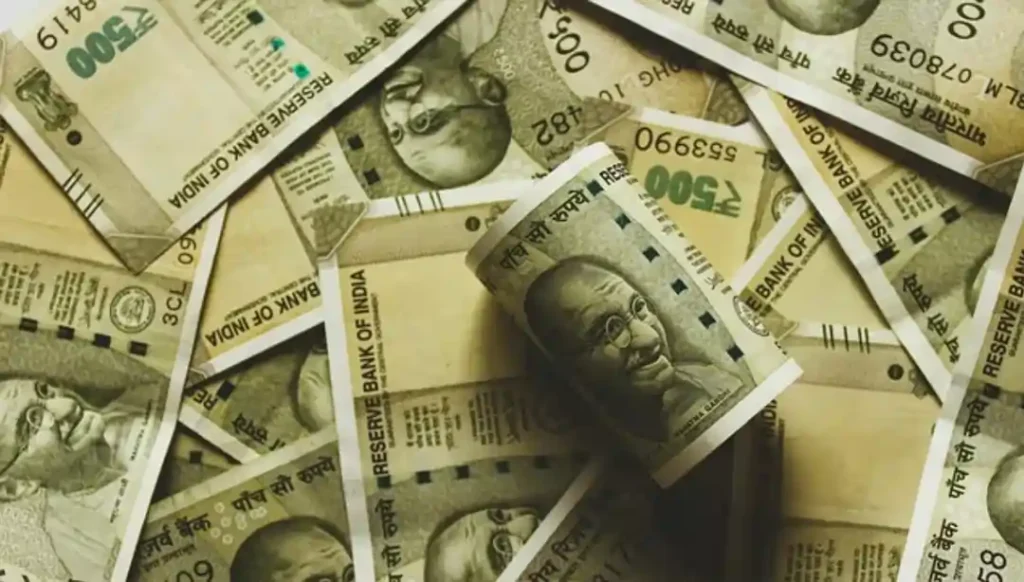
Key Numbers at a Glance
- Intraday low: 90.30 per US dollar (all-time record low)
- Closing level: 90.19 (new closing record low)
- Year-to-date depreciation in 2025 (Jan 1 – Dec 3): 5.35%
- FPI equity outflows in CY2025: ₹1.52 lakh crore
- FPI selling in first three days of December alone: ₹8,369 crore
Why Did the Rupee Finally Crack the 90 Mark?
Multiple powerful forces converged simultaneously to push the currency past the milestone:
Uncertainty Over India–US Bilateral Trade Deal
- Prolonged delays and lack of concrete timelines in the much-awaited India–US trade agreement have kept markets on edge. Traders say the absence of firm commitments has strengthened the US dollar while creating widespread caution across emerging-market currencies, with the rupee taking the hardest hit in Asia this week.
Anindya Banerjee, Head of Commodity and Currency Research at Kotak Securities, noted, “The growing uncertainty around the Indo–US trade deal has directly supported the dollar and triggered caution in EM currencies, including the rupee.”
Aggressive Foreign Portfolio Investor (FPI) Selling
- Foreign investors have pulled out a staggering ₹1.52 lakh crore from Indian equities so far in calendar year 2025, making it one of the worst years for foreign flows in recent memory. The selling intensified in the opening days of December, with ₹8,369 crore exiting in just the first three trading sessions.
Triggering of Stop-Losses and Option Defenses
- Once spot rates moved above 90, a cascade of stop-loss orders from leveraged traders and option sellers who had been defending the 90 strike was activated, accelerating the downside momentum in a classic technical breakdown.
Surging Importer Dollar Demand
- Strong and steady dollar buying from importers — particularly in oil, base metals, precious metals, electronics, and machinery sectors — continued to absorb whatever dollar liquidity was available in the interbank market.
Sky-High Commodity Prices
- Record-high global prices of metals and bullion have dramatically inflated India’s import bill at the worst possible time, widening the trade deficit and putting additional downward pressure on the currency.
Wider India–US Yield Differential and Rising Hedging Costs
The 10-year India–US government bond yield spread has widened to nearly 250 basis points — the highest in almost a year — as investors demand a larger currency-risk premium.
- Forward premiums have spiked sharply: the one-year USD/INR premium jumped another 7 basis points on Tuesday (over 12 bps in three sessions), while the one-month forward premium surged to a seven-month high near 19.5 paise.
RBI’s Role: Present but Not Aggressive
Despite the historic breach, dealers confirmed the Reserve Bank of India was seen selling dollars through public-sector banks to moderate volatility. However, the quantum of intervention appeared limited and clearly not aimed at defending any specific level.
One senior forex dealer told journalists, “The RBI has consistently stated its focus is on managing rupee volatility rather than pegging the currency at any particular rate. Today they were active, but there was no hard defense of 90.”
Official Reaction: “I Am Not Losing Sleep Over It”
Chief Economic Advisor V Anantha Nageswaran struck a remarkably calm note amid the turmoil, telling reporters on the sidelines of the CII India Edge summit in New Delhi:
“I am not losing sleep over it. It (the rupee) will come back next year. Right now, it is not impacting inflation or exports in any significant manner.”
Historical Context: How Bad Is 2025 Really?
The rupee’s 5.35% decline so far in 2025 is the sharpest calendar-year depreciation since the 11.3% fall witnessed in 2022. For perspective:
- 2024: –2.88%
- 2023: –0.57%
- 2022: –11.3%
- 2021: –1.74%
Impact on Businesses and Consumers
- Exporters get a marginal boost in competitiveness, though analysts caution that global demand slowdown and US tariffs are blunting the benefit.
- Importers in oil, electronics, metals, gems & jewellery, and pharmaceuticals are already facing significantly higher landed costs.
- Corporates are rushing to hedge, pushing forward premiums to multi-month highs.
- Consumers can expect higher prices for imported fuel, gadgets, edible oils, and gold in the coming weeks if the weakness sustains.
Bank of Baroda Chief Economist Madan Sabnavis commented, “A depreciating rupee will help exporters at the margin but is not good for importers or inflation.”
Expert Views: How Much More Depreciation Is Needed?
Kotak Mahindra AMC Managing Director Nilesh Shah offered a structural perspective:
“It is very difficult to figure out whether the rupee will bottom out at 91 or 92 or 93, but we think a depreciation of 2–3% from current levels is needed to maintain our export competitiveness. Even the Real Effective Exchange Rate (REER) model suggests 2–3% depreciation every year is healthy.”
Dipti Chitale, CEO of Mecklai Financial Services, observed that the break below the earlier defended 88.80 zone has changed market psychology: “There is now a growing perception that the RBI may allow a deeper adjustment.”
Technical Outlook: Deeply Oversold but Recovery Needs 89.80
Jateen Trivedi, VP Research Analyst – Commodity & Currency at LKP Securities, said the currency is now in deeply oversold territory on technical indicators.
“For any meaningful recovery, the rupee needs to reclaim and sustain above the 89.80–89.90 zone. Until then, downside momentum can persist.”
What to Watch in the Coming Days
- RBI Monetary Policy Announcement (Friday, December 5, 2025) Markets are desperate for any fresh signals on whether the central bank is comfortable with further controlled depreciation or plans heavier intervention.
- Movement on India–US Trade Talks Any concrete breakthrough or updated timeline could trigger an immediate short-covering rally in the rupee.
- US Federal Reserve Commentary & US Economic Data A less hawkish tone from the Fed could ease dollar strength globally and provide breathing room to emerging-market currencies.
- FPI Flow Reversal Triggers Signs of foreign investors turning buyers (especially ahead of the MSCI rebalancing or index changes) could stem the bleeding.
The Bottom Line
The breach of the 90-per-dollar mark is not just a round-number event — it reflects a potent mix of domestic equity outflows, global dollar strength, commodity shock, and policy uncertainty. While the RBI remains watchful and the Chief Economic Advisor remains unfazed, businesses and households are already bracing for higher import costs.
For now, the Indian Rupee remains in freefall mode, with the next major support zone widely seen around 91.50–92.00 if selling pressure refuses to ease. Traders, importers, exporters, and policymakers alike will be glued to every headline in what has suddenly become one of the most closely watched currency stories in the world.
FAQs
1. Why did the Indian Rupee fall below 90 against the US Dollar for the first time?
The rupee crossed 90 due to a combination of heavy FPI selling (₹1.52 lakh crore withdrawn in 2025), uncertainty over the India–US bilateral trade deal, record-high global commodity prices (especially metals and bullion), strong importer dollar demand from oil and electronics sectors, and the triggering of stop-losses above the 90 level. All these factors hit simultaneously on December 3–4, 2025.
2. How much has the rupee fallen in 2025 and how does it compare with previous years?
From January 1 to December 3, 2025, the rupee has depreciated by 5.35%. This is the sharpest yearly fall since 2022 (-11.3%). For comparison:
2021: –1.74%
2024: –2.88%
2023: –0.57%
2022: –11.3%
3. Is the RBI defending the rupee at 90 or any specific level?
No. The RBI was active in the market on December 4 through public-sector banks to reduce volatility, but dealers confirm it did NOT defend any particular level, including 90. The central bank’s stated policy remains managing excessive volatility rather than pegging the currency.
4. Who benefits and who gets hurt by the rupee falling past 90?
Winners (marginally): Exporters (IT, textiles, pharma, auto components) get slightly better price competitiveness.
Losers: Importers of oil, electronics, gold, metals, and machinery face higher costs; consumers will see higher prices for fuel, gadgets, and imported goods; companies with unhedged foreign debt will face bigger repayment burdens; inflation may rise in coming months.
5. Where is the rupee headed next? Will it fall to 91, 92, or more?
Most analysts expect further controlled depreciation of 2–3% from current levels (i.e., toward 91.50–93 zone) to restore export competitiveness, as suggested by the Real Effective Exchange Rate (REER) model. The immediate trigger points to watch are: RBI policy statement on December 5, any concrete update on India–US trade talks, and reversal in FPI flows. Technically, the rupee is deeply oversold and needs to reclaim 89.80 for any meaningful recovery.