

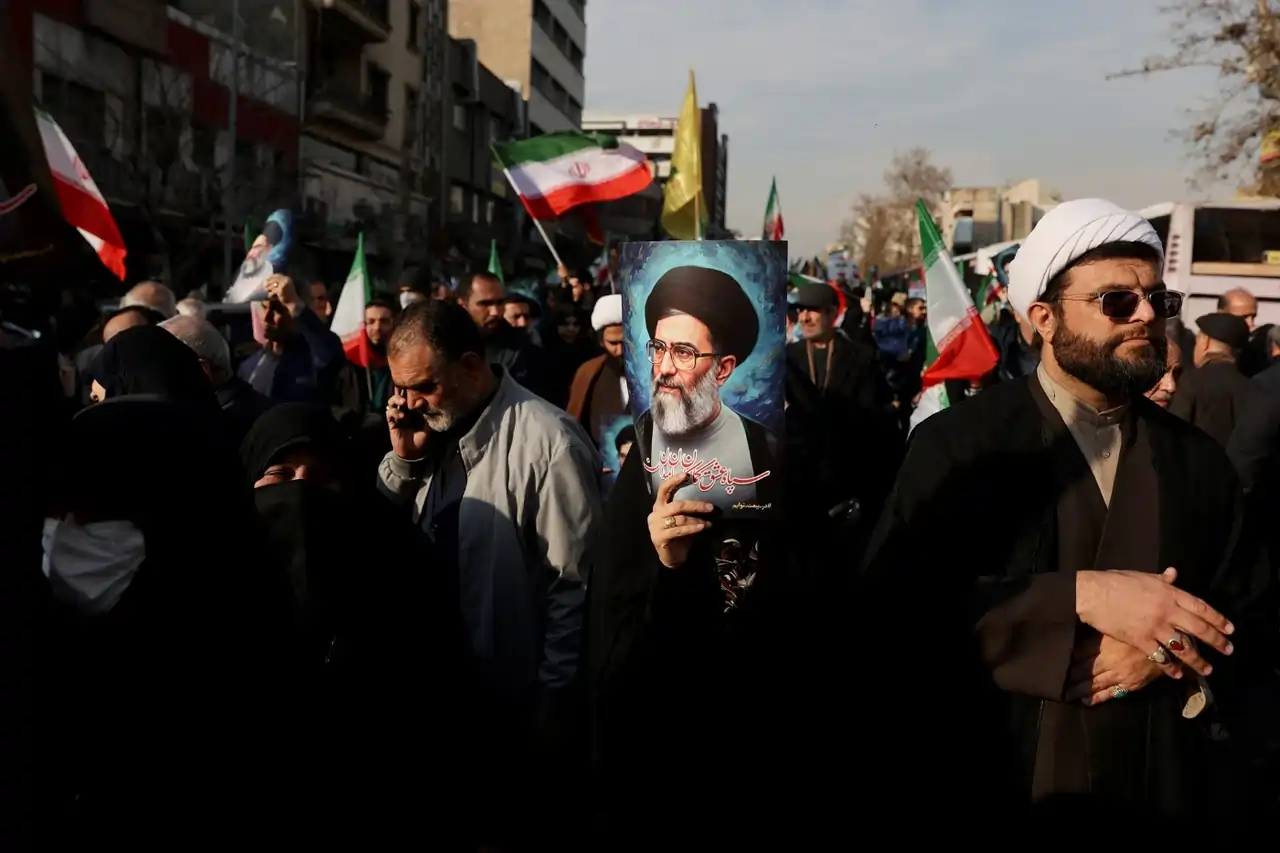
New Delhi: As of January 13, 2026, Iran is gripped by one of the most widespread and intense waves of anti-government demonstrations since the 1979 Islamic Revolution. What began as spontaneous economic protests in late December has transformed into a nationwide call for the overthrow of the Islamic Republic’s theocratic regime. With reports of hundreds to potentially thousands killed in security forces’ brutal response, an ongoing internet blackout, and international attention focused on possible U.S. intervention, the unrest represents a severe challenge to Supreme Leader Ayatollah Ali Khamenei’s authority.
Sparked by Currency Collapse and Economic Freefall
The protests erupted on December 28, 2025, when merchants in Tehran’s central bazaar shut down operations due to the Iranian rial’s catastrophic plunge. The currency hit extreme lows, with unofficial market rates reaching around 1.45 million to 1.48 million rials per U.S. dollar in early January 2026. This hyper-devaluation made everyday business impossible, as merchants could no longer set stable prices or conduct transactions amid hourly erosion of purchasing power.
Ordinary citizens quickly joined, driven by skyrocketing inflation that has made basic goods like chicken, cooking oil, and eggs unaffordable or scarce. Additional pressures included a new tiered pricing system for subsidized gasoline—already among the world’s cheapest—and drastic cuts to subsidized exchange rates for importers. These measures exacerbated hardships in an economy still recovering from the 12-day conflict with Israel in June 2025, during which U.S.-assisted Israeli strikes severely damaged Iran’s nuclear infrastructure, military facilities, and key commanders.
United Nations sanctions reimposed in September 2025 over Iran’s nuclear pursuits further accelerated the crisis. Analysts attribute the sharp downturn to years of mismanagement, corruption, and the regime’s prioritization of ideological goals over public welfare. The bazaar merchants, historically a pillar of support for the 1979 revolution, have now turned against the clerical establishment.
Within days, demonstrations spread to all 31 provinces, evolving from demands for economic relief to explicit calls for regime change. Slogans such as “death to the dictator” targeting Supreme Leader Khamenei, and chants supporting exiled figures, have become common.
Brutal Government Crackdown and Mounting Death Toll
Iran’s response has been swift and severe. Security forces, including riot police, the Islamic Revolutionary Guard Corps (IRGC), and other units, deployed tear gas, live ammunition, and shotguns loaded with metal pellets. On January 8, authorities imposed a near-total internet and phone network shutdown, one of the most restrictive ever, surpassing even the 2022 “Women, Life, Freedom” uprising sparked by Mahsa Amini’s death in custody.
The blackout has severely limited independent verification, but leaked footage and reports from hospitals paint a grim picture. Images from a Tehran-area morgue showed hundreds of bodies on Thursday night alone. Hospitals in Tehran reported receiving at least 217 bodies in one night, with many victims suffering direct head and heart shots.
Human rights organizations provide varying estimates. The U.S.-based Human Rights Activists News Agency (HRANA) reported 544 confirmed deaths as of January 11, rising to 646 by January 12-13, including 505 protesters (with some children) and dozens of security personnel, alongside over 10,600-10,721 arrests across 186-187 cities and 606 locations. Some sources suggest the toll could reach thousands, with one Iranian official acknowledging about 2,000 deaths including security forces. Other reports claim even higher figures, up to 12,000 over two nights in early January, based on internal security data and medical sources.
Iranian officials have labeled protesters “vandals,” “enemies of God” (a capital offense), and foreign-instigated terrorists, blaming the U.S. and Israel without evidence. President Masoud Pezeshkian accused external actors of training infiltrators and setting fires. The regime declared three days of mourning for “martyrs” killed in a supposed national battle against foreign enemies.
Historical Context and Triggers
This unrest builds on previous waves: 2017-2018 economic protests, 2019 fuel price hikes, and 2022’s massive demonstrations after Mahsa Amini’s death, which saw over 550 killed and 20,000 detained. The current movement differs in scale and drivers, fueled by acute economic despair post the June 2025 Israel-U.S. conflict, which weakened Iran’s regional proxies like Hezbollah and Hamas.
Long-standing grievances over social restrictions—strict dress codes, personal behavior controls—and widespread corruption have amplified demands. Unlike past protests, there’s no single organized leadership, reflecting the regime’s suppression of civil society.
Role of Reza Pahlavi and Opposition Voices
Exiled Crown Prince Reza Pahlavi, 65, son of the last Shah Mohammad Reza Pahlavi deposed in 1979, has emerged as a prominent voice. Living in the U.S. since the revolution, he has posted calls for a general uprising, suggesting protest times and locations that aligned with large gatherings. Crowds have chanted his name in several cities.
Pahlavi positions himself as a unifying figure for a transition to secular democracy, not a monarchy restoration. He claimed the regime faces a shortage of loyal forces, with some security personnel defecting or refusing orders—claims unverified. On January 12-13, he pledged to stand with protesters “soon,” praised their bravery, and urged continued action in groups for safety. He has reportedly communicated with the Trump administration about alternatives for regime change.
Other dissidents, like Nobel laureate Narges Mohammadi, remain imprisoned inside Iran.
International Dimensions and U.S. Stance
The protests occur against the backdrop of heightened U.S.-Iran tensions. President Donald Trump has repeatedly warned of intervention if the regime kills protesters, citing precedents like the U.S. seizure of Venezuela’s Nicolás Maduro. He stated Iranian leaders contacted him to negotiate, possibly on the nuclear program, but emphasized “strong options,” including military strikes, cyber actions, or sanctions.
Trump has been briefed on various responses, from targeted strikes to boosting anti-regime online efforts. He announced 25% tariffs on countries doing business with Iran. Iran warned of retaliation against U.S. bases, ships, and Israel if attacked, with parliament speaker Mohammad Baqer Qalibaf calling them legitimate targets. The regime accuses the U.S. and Israel of orchestrating the unrest. Worldwide solidarity rallies have occurred from Los Angeles to London, with incidents like protesters removing Iran’s flag from its London embassy.
Outlook: A Regime at Crossroads?
Experts describe the situation as extraordinary, with ordinary Iranians risking everything despite repression. The regime appears weakened by recent military setbacks and economic failure, yet shows no major fractures in clerical or security leadership. Succession planning for the aging Khamenei (86) continues amid low-profile movements.
While protests have reportedly slowed in visibility due to the blackout, sources indicate ongoing activity in cities like Esfahan. The veil of fear has lifted for many, but the path to change remains uncertain amid threats of “decisive” punishment.
As the world watches, Iran’s future hangs in the balance—between continued brutal suppression and a potential turning point in its 47-year theocratic rule.
FAQs
1. What triggered the Iran protests in 2026?
The protests began on December 28, 2025, primarily in Tehran’s central bazaar, when merchants shut down shops due to the dramatic collapse of the Iranian rial. The currency plunged to extreme lows (around 1.45–1.48 million rials per U.S. dollar), making business impossible as prices changed hourly and basic goods like chicken, cooking oil, and eggs became unaffordable or scarce.
Additional factors included new pricing tiers for subsidized gasoline, cuts to importer exchange rates, and years of economic mismanagement, corruption, and the lingering effects of UN sanctions reimposed in September 2025 over Iran’s nuclear program. The situation worsened after the 12-day war with Israel (assisted by U.S. forces) in June 2025, which damaged nuclear sites, military facilities, and proxies like Hezbollah and Hamas.
What started as economic grievances quickly evolved into nationwide calls for regime change, with chants like “death to the dictator” targeting Supreme Leader Ayatollah Ali Khamenei and demands to end the Islamic Republic’s clerical rule.
2. How many people have died and been arrested in the Iran protests?
The death toll remains disputed due to Iran’s near-total internet and phone blackout (imposed since January 8, 2026), which severely limits independent verification.
The U.S.-based Human Rights Activists News Agency (HRANA) reports the most widely cited figures: as of January 12–13, 2026, at least 646 people have been killed (including 505 protesters, nine children, and security personnel), with over 10,721 arrests across 606 locations in 187 cities and all 31 provinces.
Some reports suggest much higher numbers — an Iranian official acknowledged around 2,000 deaths (including security forces), while other sources (citing internal data) estimate up to 12,000 killed in the intense crackdown on January 8–9 alone. Hospitals have been overwhelmed, with leaked footage showing hundreds of bodies in Tehran morgues, many from direct head and heart shots by security forces using live ammunition and shotguns.
Iranian authorities have not released official tolls but label protesters as “enemies of God” (a capital offense) and blame foreign instigators.
3. How has the Iranian government responded to the protests?
The regime has mounted a fierce crackdown, deploying riot police, the Islamic Revolutionary Guard Corps (IRGC), and other forces with tear gas, live fire, and metal pellets. The communications blackout — more severe than in 2022 — has restricted internet to a domestic intranet and cut international calls, though some limited outbound calls were allowed on January 13.
Officials have dismissed demonstrators as “vandals” or U.S./Israel-backed terrorists, declared three days of mourning for “martyrs,” and threatened maximum punishment. Pro-government rallies were held on January 12 to show support. Despite the repression, some reports indicate ongoing clashes, strikes, and civil disobedience in cities like Tehran and Kermanshah, though protest activity appears reduced in visible urban areas due to the blackout and fear.
4. Who is leading the protests, and is Reza Pahlavi involved?
There is no single organized leadership — the movement erupted spontaneously, similar to previous waves in 2017, 2019, and 2022, partly because the regime has systematically arrested civil society figures.
Reza Pahlavi, the 65-year-old exiled son of Iran’s last Shah (deposed in 1979), has emerged as a prominent symbolic figure. Living in the U.S., he has posted calls for a general uprising, suggested protest timings/locations that aligned with large gatherings, and encouraged continued action while urging safety in groups. Crowds have chanted his name in several cities. Pahlavi positions himself as a unifying voice for a transition to secular democracy (not monarchy restoration) and claims the regime faces defections among security forces (unverified). Other dissidents, like Nobel laureate Narges Mohammadi, remain imprisoned inside Iran.
5. What is the U.S. role, and could there be military intervention under Trump?
President Donald Trump has repeatedly threatened U.S. intervention if the regime continues killing protesters, citing precedents like the seizure of Venezuela’s Nicolás Maduro. He stated Iranian leaders contacted him to negotiate (possibly on the nuclear issue) but emphasized “very strong options,” including military strikes, cyber operations, or more sanctions. He has been briefed on responses and imposed 25% tariffs on countries doing business with Iran.
Iran warns of retaliation against U.S. bases, ships, and Israel if attacked. The regime accuses the U.S. and Israel of orchestrating the unrest (without evidence). Worldwide solidarity protests have occurred, and the U.N. has called for an end to violence against peaceful demonstrators.
As of January 13, 2026, protests continue despite reduced visibility in some areas, with the regime weakened but showing no major internal fractures. The situation remains fluid amid the blackout and escalating international pressure.